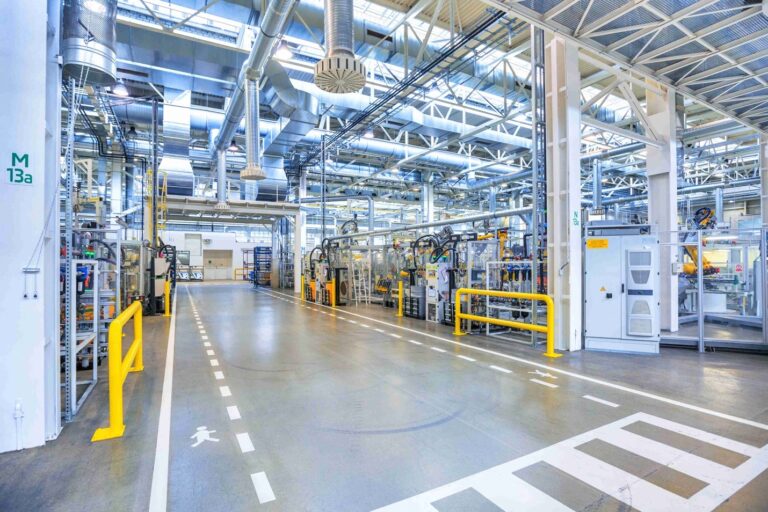
Why Anti-Static Flooring is Critical in Electronics Manufacturing Plants
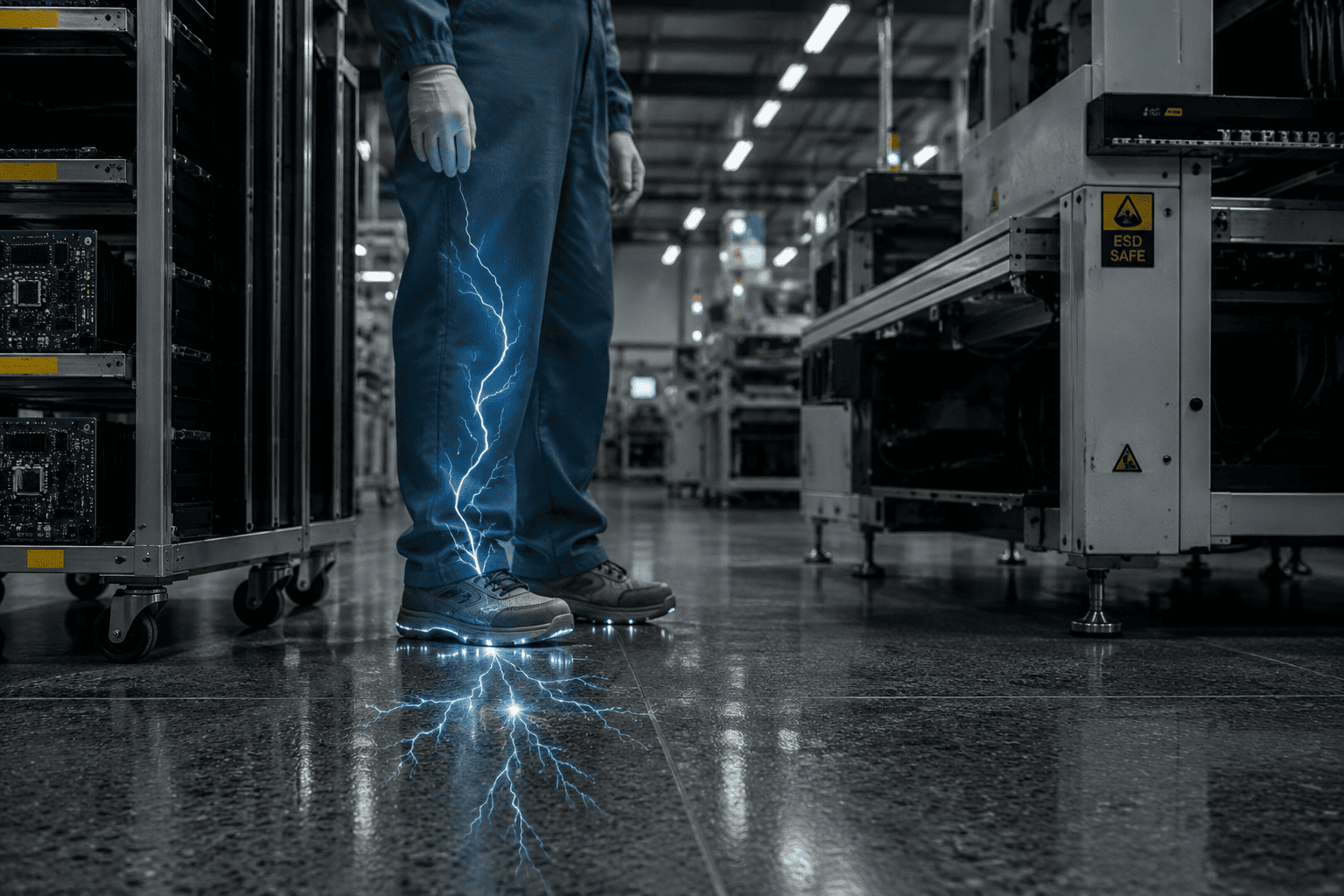
A single electrostatic discharge (ESD) event can silently damage sensitive electronic components, disrupt production lines, and lead to expensive financial losses. Hence, the need for reliable Anti static flooring has become more important than ever.
From semiconductor facilities and PCB assembly units to data centers and cleanrooms, manufacturers are increasingly investing in specialized flooring systems that control static electricity and create safer production environments.
Whether it is ESD flooring, conductive flooring, or static dissipative flooring, the right flooring solution plays a direct role in protecting equipment, improving workplace safety, and maintaining compliance with international ESD standards.
What is Anti Static Flooring?
Anti static flooring is a specially engineered flooring system designed to control the buildup and discharge of static electricity. Unlike conventional floors, these surfaces safely dissipate or conduct electrical charges away from personnel, equipment, and sensitive electronic components.
In electronics manufacturing environments, static electricity may seem harmless, but even a tiny electrostatic discharge can destroy microchips, integrated circuits, and delicate electronic assemblies.
There are two major categories commonly used in industrial facilities:
Conductive Flooring
Conductive flooring provides a direct and controlled path for electrical charges to flow into the ground. It offers very low electrical resistance and is widely used in highly sensitive environments such as semiconductor plants, aerospace facilities, and electronics assembly lines.
Static Dissipative Flooring
Static dissipative flooring slows down the transfer of static electricity in a controlled manner. This type of flooring is ideal for environments where sudden electrical discharge must be prevented without creating rapid current flow.
Both flooring systems are part of a broader ESD flooring strategy used in industries that require electrostatic protection.
Why Static Electricity is Dangerous in Electronics Manufacturing
Static electricity is generated naturally through friction between surfaces, movement of workers, machinery operations, or material handling. In ordinary environments, static discharge may only create a small shock. However, in electronics manufacturing plants, the consequences can be severe.
Damage to Sensitive Electronic Components
Modern electronic devices contain extremely delicate circuits that can fail due to even low-voltage electrostatic discharge. Components such as:
• Microprocessors
• Printed circuit boards (PCBs)
• Semiconductors
• Memory chips
• Sensors
are highly vulnerable to ESD events. Many failures caused by static discharge are not immediately visible. Some components may partially degrade and fail later after the product reaches the customer, resulting in warranty claims and brand reputation damage.
Production Downtime
An unexpected ESD incident can interrupt automated production systems and halt assembly operations. Downtime in electronics manufacturing can lead to:
• Delayed deliveries
• Reduced productivity
• Increased operational costs
• Higher maintenance expenses
Installing reliable conductive industrial flooring significantly reduces these risks.
Safety Hazards for Workers
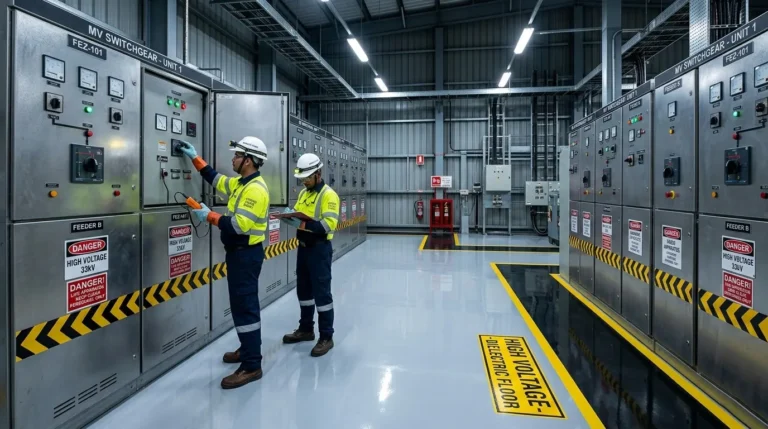
In facilities handling flammable chemicals or combustible materials, static electricity can trigger sparks that create fire or explosion hazards. Anti-static flooring helps maintain a safer working environment by minimizing uncontrolled static buildup.
How ESD Flooring Protects Electronics Manufacturing Plants
Prevents Electrostatic Discharge
The primary purpose of ESD flooring is to safely channel static electricity away from workers and equipment before discharge occurs.
This controlled dissipation protects sensitive manufacturing equipment and reduces the risk of product defects.
Creates a Controlled Manufacturing Environment
Electronics manufacturing plants must maintain strict environmental standards. Anti-static floors work together with:
• Grounding systems
• ESD footwear
• Conductive workstations
• Humidity controls
• Wrist straps
to create a fully protected electrostatic control environment.
Supports Industry Compliance
Many electronics manufacturers follow international ESD safety standards such as:
• ANSI/ESD S20.20
• IEC 61340
• OSHA safety recommendations
Installing certified anti static flooring helps facilities comply with these regulations while improving operational reliability.
Industries That Require Anti Static Flooring
Although electronics manufacturing is one of the largest users of ESD flooring, several other industries also depend on static control solutions.
Electronics Assembly Plants
PCB manufacturing and microelectronics facilities require strict electrostatic protection throughout production areas.
Semiconductor Manufacturing
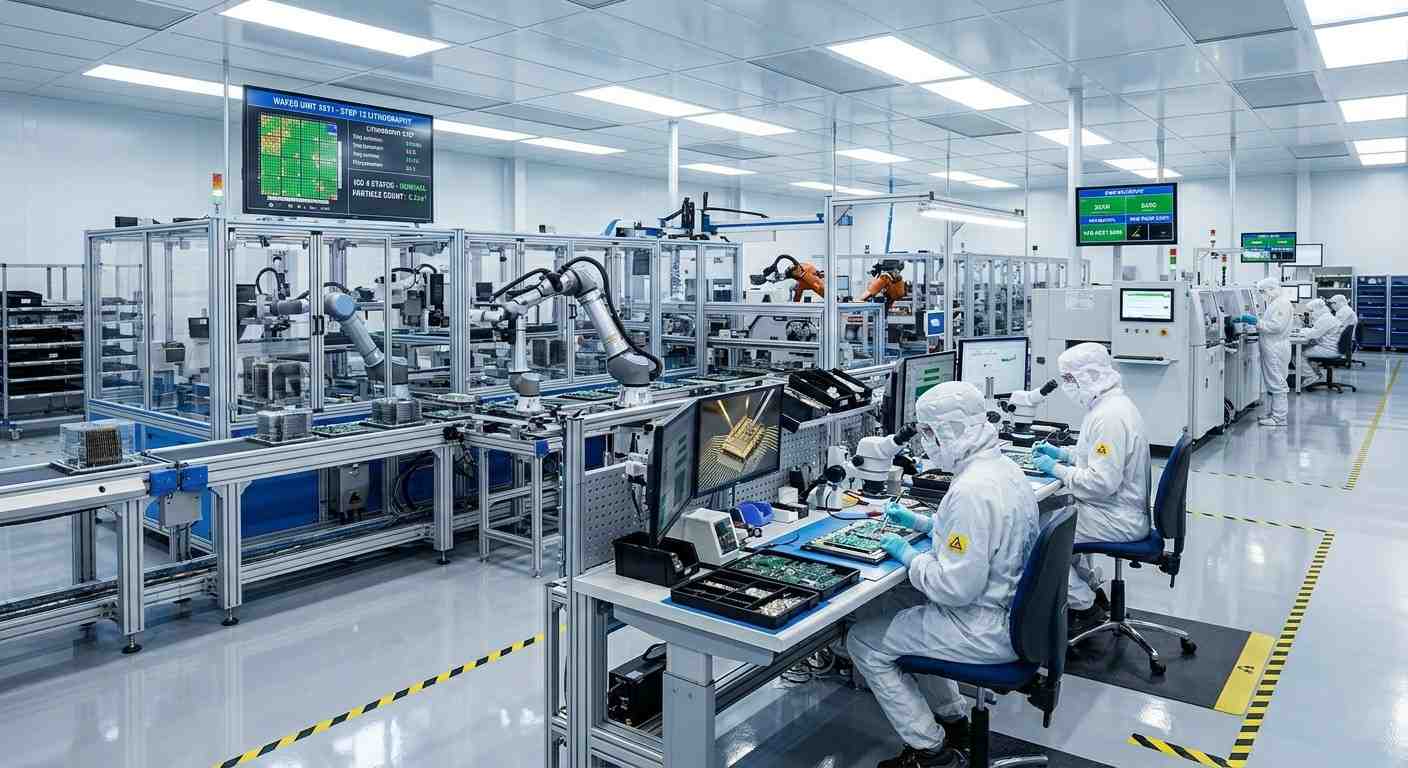
Semiconductor fabrication environments demand ultra-sensitive static control systems to protect delicate silicon wafers and microchips.
Pharmaceutical and Chemical Industries
Static discharge can create ignition risks in facilities handling volatile substances.
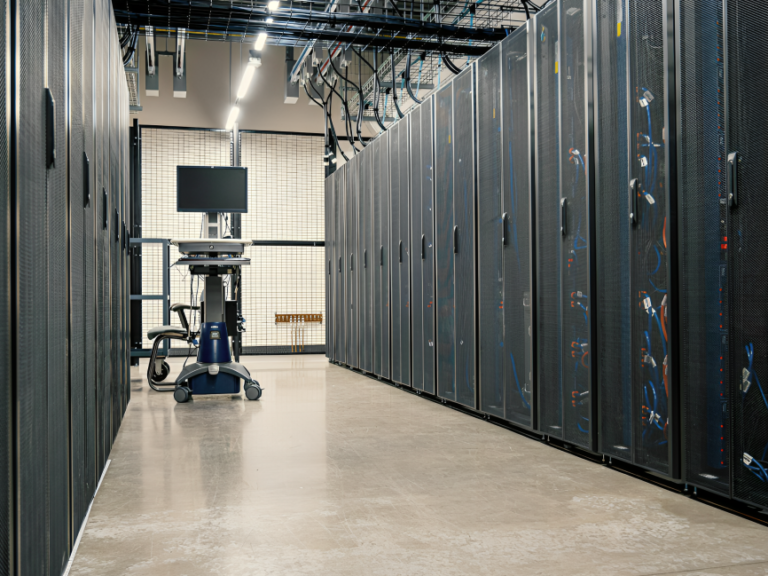
Data Centers and Server Rooms
Static electricity can interfere with sensitive networking and computing equipment.
Aerospace and Defense Manufacturing
Precision electronic systems used in aerospace applications require reliable conductive flooring protection.
Choosing the Right Anti Static Flooring System
Selecting the appropriate flooring system depends on multiple factors, including the sensitivity of the manufacturing process and the facility environment.
Evaluate Electrical Resistance Requirements
Different industries require varying conductivity levels. Conductive and static dissipative flooring systems offer different resistance ranges based on operational needs.
Consider Durability and Chemical Resistance
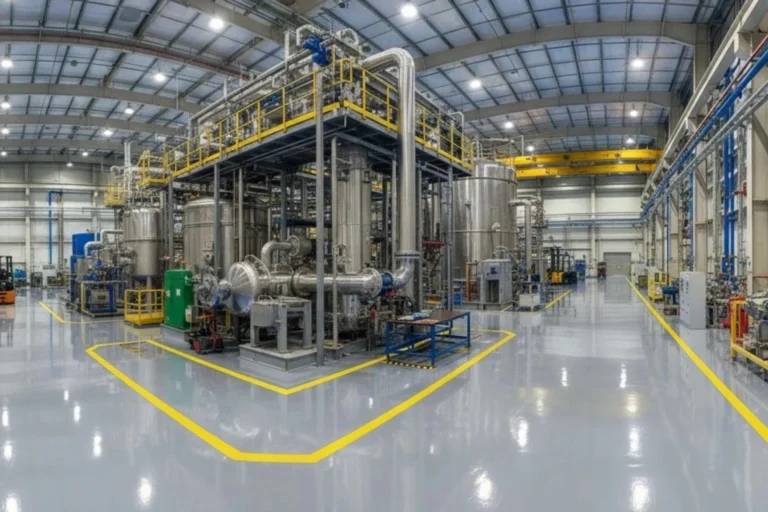
Industrial environments often expose floors to chemicals, abrasion, and heavy equipment. Choosing a durable flooring material ensures long-term performance.
Ensure Proper Installation
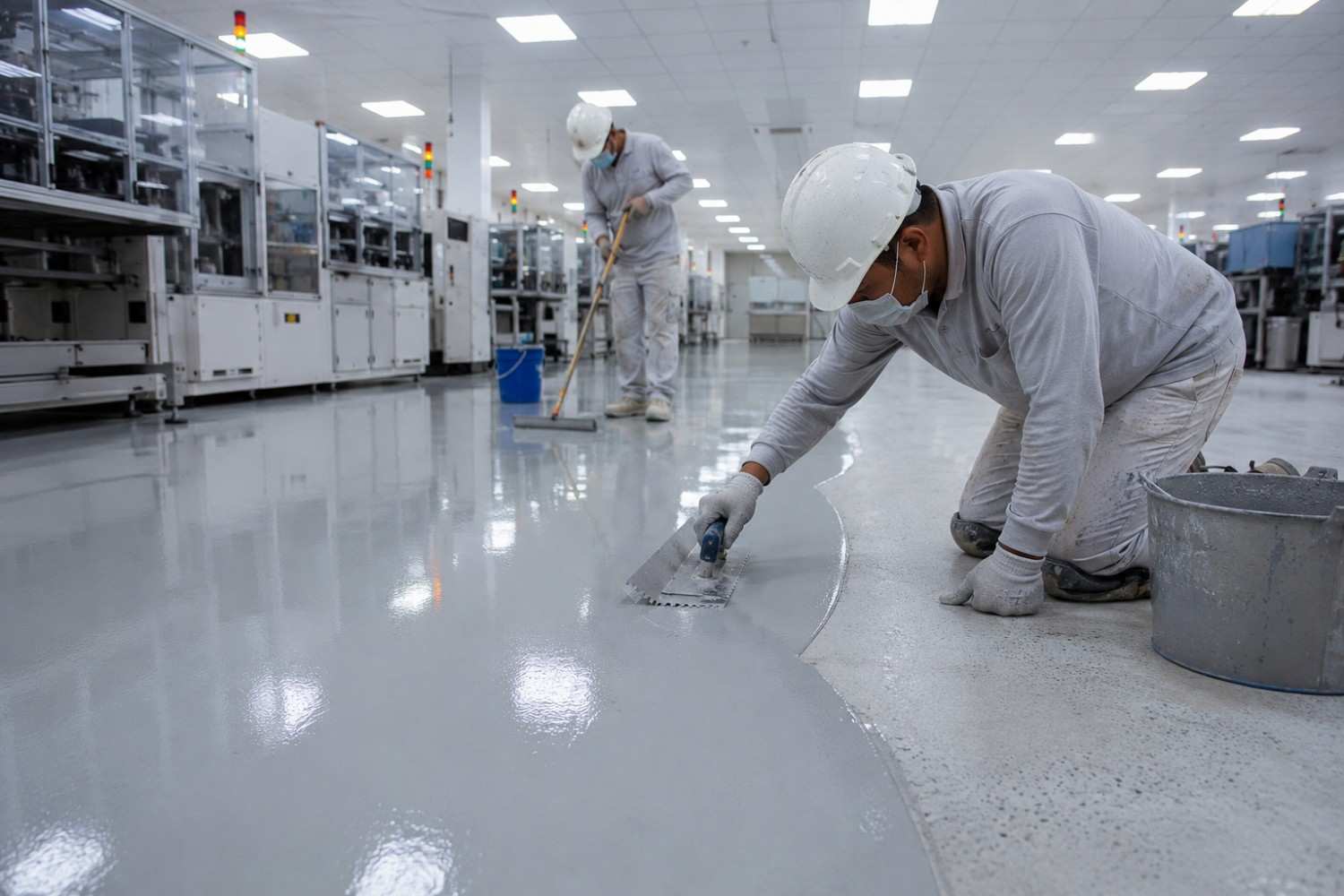
Even the best anti-static flooring system can fail if installed incorrectly. Professional installation and grounding are essential for effective ESD protection.
Maintenance Matters
Routine cleaning and testing help maintain flooring conductivity and ensure ongoing compliance with ESD standards.
Why Anti Static Flooring is a Smart Long-Term Investment
Many manufacturers initially view anti-static flooring as an additional expense. However, the long-term financial benefits far outweigh the installation cost.
Anti-static flooring delivers measurable returns on investment over time.
Advanced Flooring Solutions for Modern Manufacturing Facilities
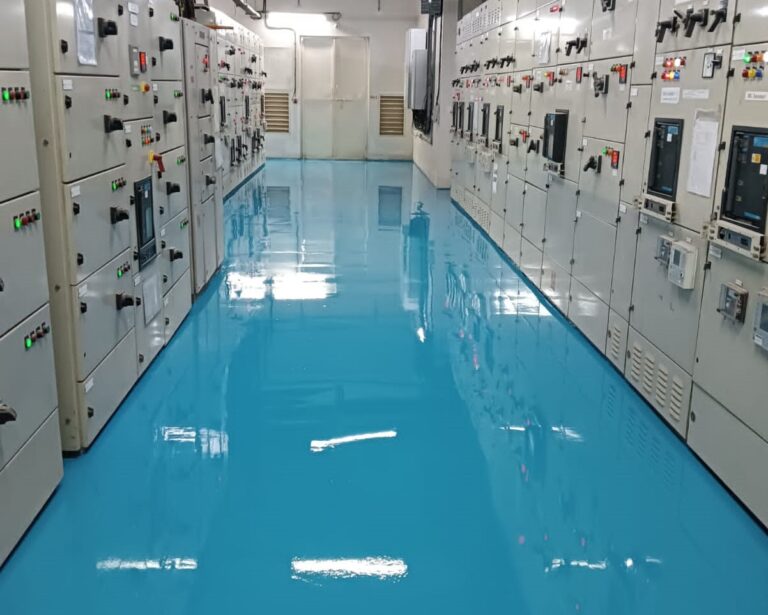
Today’s industrial flooring systems are engineered for superior performance, aesthetics, and durability. Modern static dissipative flooring and conductive industrial flooring solutions are available in various finishes, thicknesses, and chemical-resistant formulations to meet industry-specific requirements.
For facilities looking for professional-grade anti-static and conductive flooring solutions, Electroshield by Floorkrete offers specialized flooring systems designed for industrial and electronics manufacturing environments.
Floorkrete is a trusted industrial flooring solutions provider specializing in high-performance epoxy, polyurethane, and anti-static flooring systems for modern manufacturing environments.
With advanced flooring technologies and industry-focused solutions, Floorkrete helps businesses improve workplace safety, durability, and electrostatic protection.
Explore the product range here:
Electroshield Anti Static & Conductive Flooring Solutions