Dielectric Insulation Coating in Power Generation Plants: Protecting People, Equipment, and Operations
The safety of electrical power generation plants, the reliability of their equipment and the continuity of their operations is of prime importance in the harshest industrial environments. Electrical systems are subject to high voltages, changing loads, moisture, chemicals, environmental contamination, and much more, at all times, in various facilities like thermal and hydroelectric plants, renewable energy and nuclear power stations.
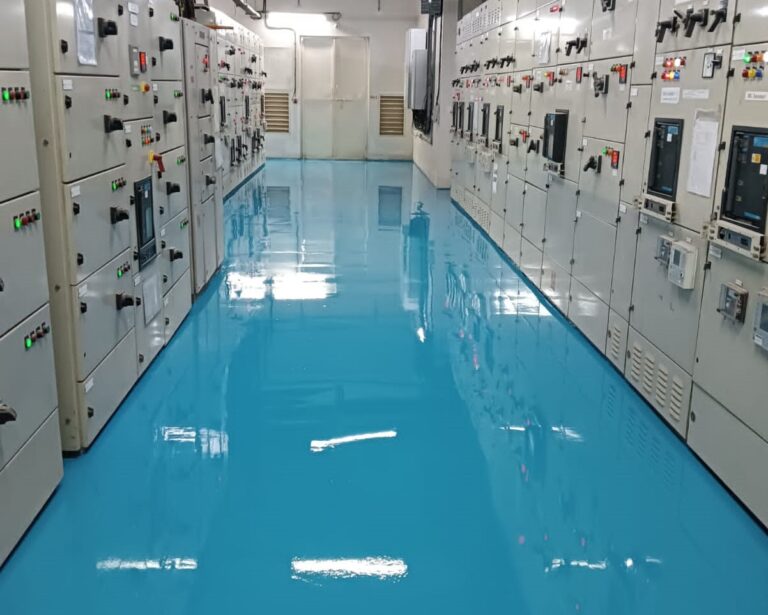
The use of Dielectric Insulation Coating in Power Generation Plants is one of the best ways to protect personnel, equipment and infrastructure. These special coatings and flooring systems provide a non-conductive barrier that helps prevent electrical leakage, reduces electric shock hazards and enhances the long-term performance of critical assets.
What is Dielectric Insulation Coating?
A dielectric insulation coating:
- is a specialized non-conductive protective layer
- designed to stop electricity from passing through it
- applied on surfaces with electrical equipment and high voltage
- prevents corrosion, exposure to moisture, chemicals and environmental degradation of substrates.
Common Electrical Hazards in Power Generation Facilities
High Voltage Exposure
Power plants are constantly using equipment that has thousands of volts. Employees may be exposed to hazardous electrical currents when they come into contact with the equipment or insulation is broken.
Moisture and Condensation
The power generation environment tends to be humid and can be exposed to water temperature changes. Water can drastically diminish insulation capabilities and raise the chances of electric leakage.
Surface Tracking
Dust, salt deposits and chemicals can form conductive paths on surfaces that can cause electrical tracking and lead to system failure.
Arc Flash Events
Arc flash from electrical faults can cause serious injury, damage equipment and cause interruptions in operations.
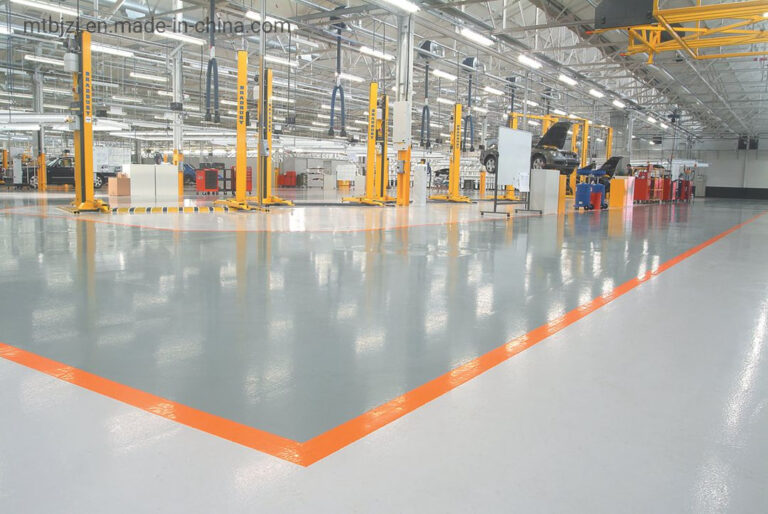
This additional layer of electrical protection offered by dielectric flooring systems can help to minimize these risks.
Applications of Dielectric Insulation Coating in Power Generation Plants
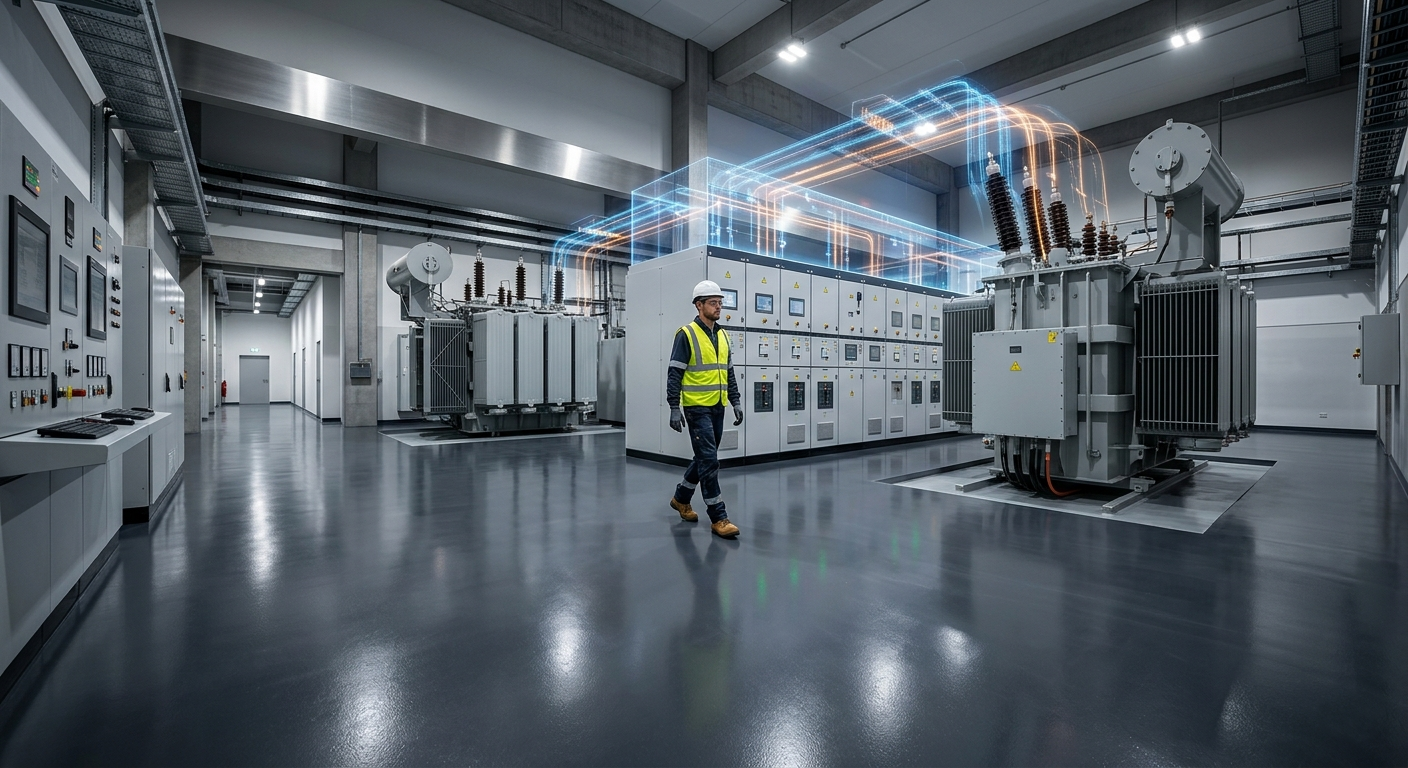
Transformer Rooms
Transformer rooms are one such important area which needs dielectric protection.
Benefits include:
- Prevention of current leakage
- Enhanced electrical insulation
- Safer maintenance activities
- Protection against moisture-related failures
Switchgear Rooms
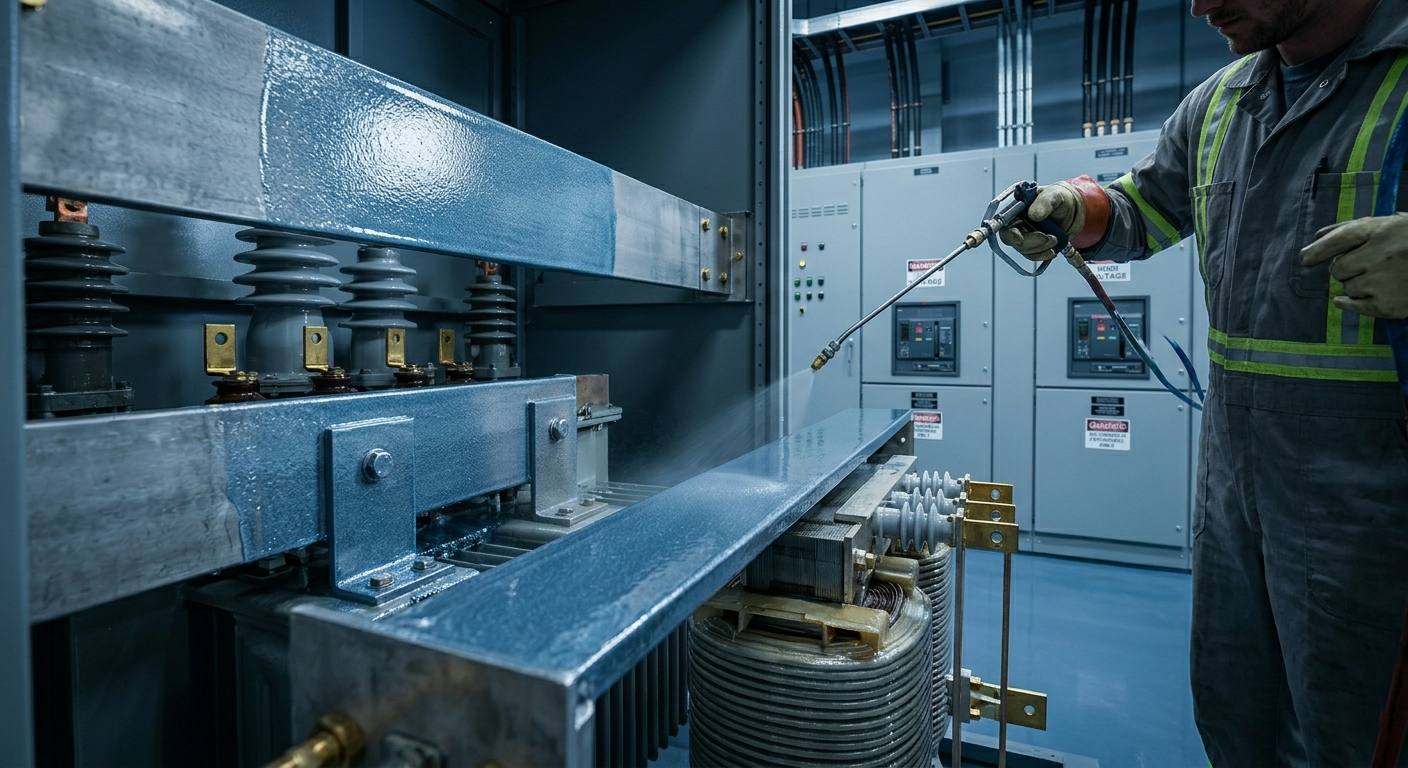
Switchgear equipment regulates and safeguards electrical circuits in the plant.
Dielectric coatings help:
- Improve insulation performance
- Reduce electrical tracking
- Enhance worker safety
- Protect equipment surfaces
Generator Areas
The generators run within high electrical loads and demand high strength insulation system for sustaining the operation.
Dielectric is an insulation coating that offers:
- Additional insulation barriers
- Protection against environmental contaminants
- Long-term reliability
Control Rooms
Sensitive electronic equipment is located in control rooms, where electrical disturbances and environmental factors should be countered.
Cable Tunnels and Galleries
These cable routes are susceptible to humidity penetration and electrical problems. Dielectric systems offer extra protection from degradation of insulation.
Electrical Distribution Areas and Substations
Highly reliable insulation systems are essential for electrical substations to ensure the continuous transmission and distribution of electricity.
Why Dielectric Epoxy Flooring is Preferred in Power Generation Plants
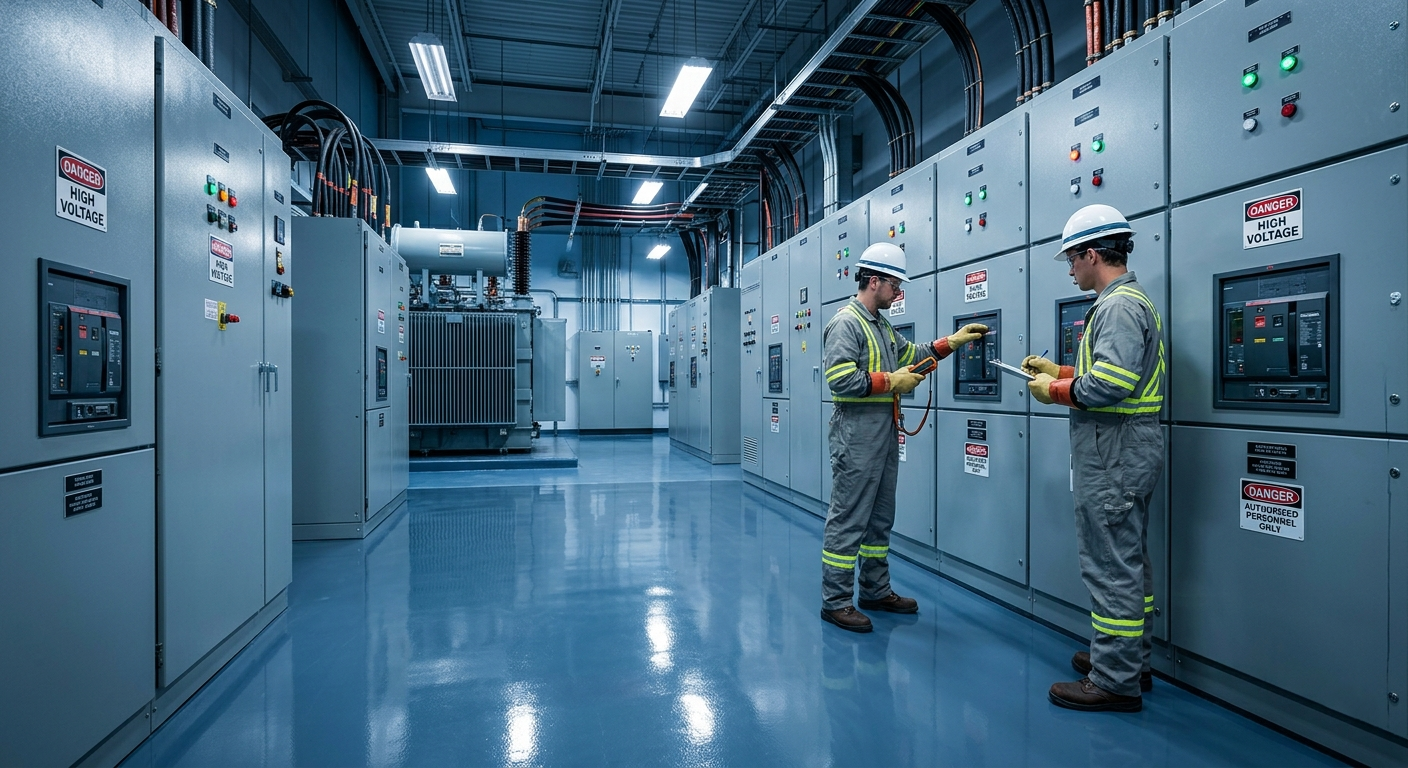
Safety From Electric Shock
The first reason that dielectric flooring is used is to decrease the likelihood of accidental electric shock to employees around energized equipment.
Improved Workplace Safety
A correctly installed dielectric flooring system helps to meet electrical safety requirements and best practices.
Reduced Downtime
Costly shutdowns can occur due to electrical faults. The use of a dielectric floor reduces the risk of an electrical incident.
Chemical Resistance
Chemicals, oils, and cleaners are commonly used in power plants. A good dielectric flooring system will offer high chemical resistance.
Long Service Life
Advanced dielectric flooring systems are built to last in areas of heavy industrial traffic.
Why Global Power Plants Trust Advanced Dielectric Protection Systems
Leading power generation companies worldwide increasingly invest in dielectric insulation coatings and dielectric flooring systems to improve safety, protect infrastructure, and maximize operational uptime.
As global suppliers of industrial coating and flooring solutions, Floorkrete continue to develop advanced technologies capable of meeting the demanding requirements of modern power generation facilities.
Field-proven dielectric systems help safeguard critical infrastructure while supporting efficient, uninterrupted power production.
Floorkrete Dielectric Insulation Coating in Power Generation Plants
For facilities seeking specialized dielectric flooring solutions, Floorkrete offers Electrogard, a high-performance dielectric flooring system designed for electrically sensitive industrial environments.
Electrogard is engineered to provide excellent insulation properties, durability, and long-term protection in areas such as switchgear rooms, transformer rooms, substations, control rooms, and other high-voltage applications where electrical safety is paramount.
Which System Should You Choose?
| Product | Type | Best Applications |
|---|---|---|
ELECTROGARD SLI | Single-Component Dielectric Insulation Coating | Fast-track projects, outdoor applications, metal structures, bus bars, electrical equipment |
ELECTROGARD ELI | Two-Component Epoxy Insulation Coating | Switchgear rooms, transformer rooms, substations, electrical control rooms |
ELECTROSCREED | Epoxy Dielectric Insulation Screed | Heavy-duty power plant flooring, uneven concrete surfaces, high-load industrial areas |
Frequently Asked Questions (FAQs)
1. What is dielectric insulation coating in power generation plants?
Dielectric insulation coating is a non-conductive protective coating that prevents electrical current leakage while protecting surfaces from moisture, corrosion, and environmental damage in power generation facilities.
2. What is the difference between dielectric flooring and standard industrial flooring?
Dielectric flooring is specifically designed to provide electrical insulation and shock protection, whereas standard industrial flooring primarily focuses on mechanical and chemical resistance.
3. Where is dielectric epoxy flooring commonly used?
Dielectric epoxy flooring is commonly used in switchgear rooms, transformer rooms, substations, control rooms, generator halls, and other high-voltage environments within power plants.
4. How does dielectric insulation paint improve safety?
Dielectric insulation paint creates a non-conductive barrier that helps prevent electrical leakage, reduces shock hazards, and improves the overall safety of electrical infrastructure.
5. Why is dielectric flooring important in electrical substations?
Dielectric flooring helps protect personnel from electrical shock, minimizes risks associated with leakage currents, and provides an additional layer of safety around energized equipment