Cementitious Flooring: A Durable, Cost-Effective, and High-Performance Flooring Solution
Among the wide variety of flooring options available today, cementitious flooring has become one of the most dependable and adaptable solution. It is popular for both new construction and renovation because of its great strength, self-smoothing properties and ability to accept a variety of floor finishes.
What is Cementitious Flooring?
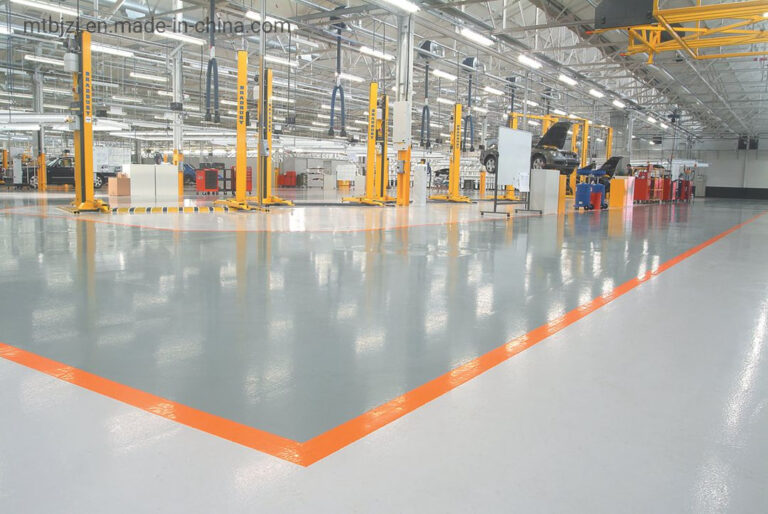
Cementitious flooring refers to flooring systems based on cement technology that are designed to create smooth, level, durable, and stable surfaces.
Cement, graded aggregates, polymers and special additives are used to create these flooring systems.
These systems are designed to achieve an excellent level of surface quality through a minimum level of finishing compared to traditional concrete floors.
They are commonly used to:
- Fix misaligned concrete surfaces
- Surface floors for the final flooring materials
- Improve surface smoothness
- Increase floor durability
- Create decorative concrete finishes
- Repairing damaged floor surfaces
Understanding Self Levelling Cementitious Flooring
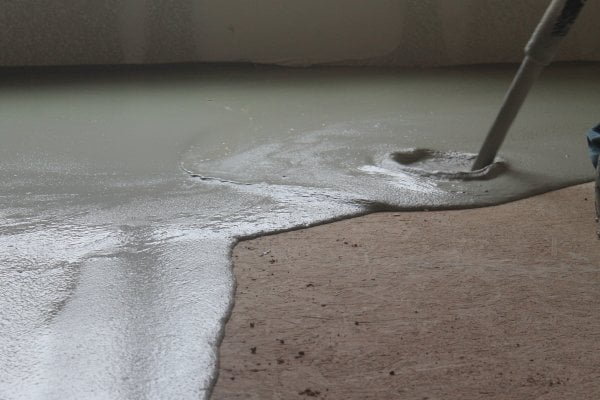
Self Levelling Cementitious Flooring is a specially formulated type of flooring material which flows freely over the substrate and self-levels to produce a smooth and flat surface.
It removes many imperfections of traditional screeds and manual floor leveling techniques.
Benefits of Cementitious Flooring
1. Exceptional Durability
Well-installed systems will resist:
- Heavy foot traffic
- Rolling loads
- Furniture movement
- Daily wear and tear
- Commercial usage
This makes it ideal for high-traffic environments.
2. Smooth and Level Surface
A non-level floor can pose several problems, such as problems with flooring installation.
Cementitious flooring provides:
- Flat surfaces
- Smooth finishes
- Improved floor aesthetics
- Enhanced flooring performance
This is particularly crucial for vinyl, wood, carpet and tile flooring.
3. Fast Installation
Modern cementitious floor screeding solutions are much quicker to install than conventional floor screeding techniques.
Benefits include:
- Reduced project timelines
- Lower labor requirements
- Faster floor readiness
- No major disruptions to activities
4. Excellent Bond Strength
A high performing cementitious flooring system will achieve good bond to well-prepared concrete base.
This helps prevent:
- Delamination
- Cracking
- Surface failures
- Flooring defects
5. Versatile Thickness Range
Cementitious floor toppings can be applied in feather edge thickness to several centimeters, depending on the project needs.
This flexibility enables contractors to deal with different conditions in the substrate very effectively.
6. Environmentally Friendly Solution
Numerous modern products for cementitious floor constructions are designed to have a low level of VOCs and to help achieve sustainable construction.
Benefits include:
- Reduced emissions of air pollutants inside
- Reduced environmental impact
- Environmental standards for compliance to green building codes
Types of Cementitious Flooring
Self Levelling Underlayment
Self Levelling Underlayments products are primarily used to create smooth, level substrates before installing floor coverings.
Cementitious Floor Topping
A cementitious floor topping is a special type of cement overlay for existing concrete floors to enhance surface quality, durability and appearance.
Floor toppings can sometimes be the final wear surface, unlike underlayment which usually have to be covered.
Advantages
- Improved aesthetics
- Increased durability
- Enhanced abrasion resistance
- Decorative possibilities
- Surface restoration
Decorative Cementitious Flooring
Decorative systems are a combination of performance and aesthetics and provide:
- Polished finishes
- Colored surfaces
- Textured effects
- Modern industrial looks
Increasingly, these types of systems are being utilized in commercial and architectural projects.
Heavy-Duty Cementitious Systems
These systems are designed for industrial applications and offer:
- High compressive strength
- Impact resistance
- Abrasion resistance
- Long-term performance
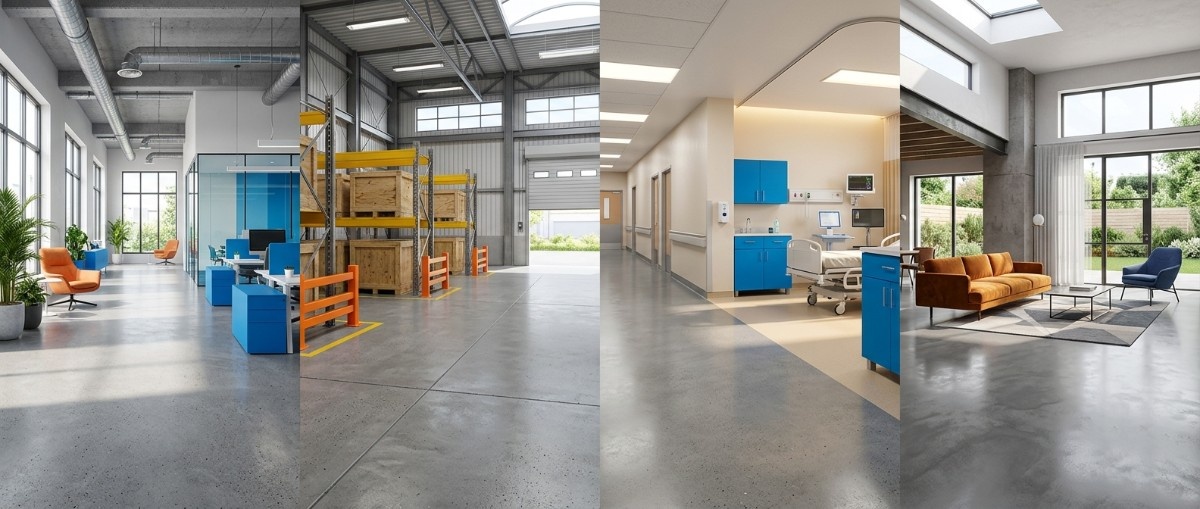
Common Applications of Cementitious Flooring
Commercial Buildings
Commercial facilities require flooring systems capable of handling continuous foot traffic while maintaining an attractive appearance.
Typical applications include:
- Corporate offices
- Shopping malls
- Retail stores
- Business centers
Healthcare Facilities
Hospitals and healthcare environments demand smooth and hygienic flooring surfaces.
Benefits include:
- Easy cleaning
- Improved hygiene
- Reduced dust accumulation
- Enhanced patient safety
Educational Institutions
Schools and universities benefit from cementitious flooring because of its durability and low maintenance requirements.
Residential Projects
Homeowners often use self levelling flooring system during renovation projects to prepare surfaces for:
- Vinyl flooring
- Wooden flooring
- Laminate flooring
- Ceramic tiles
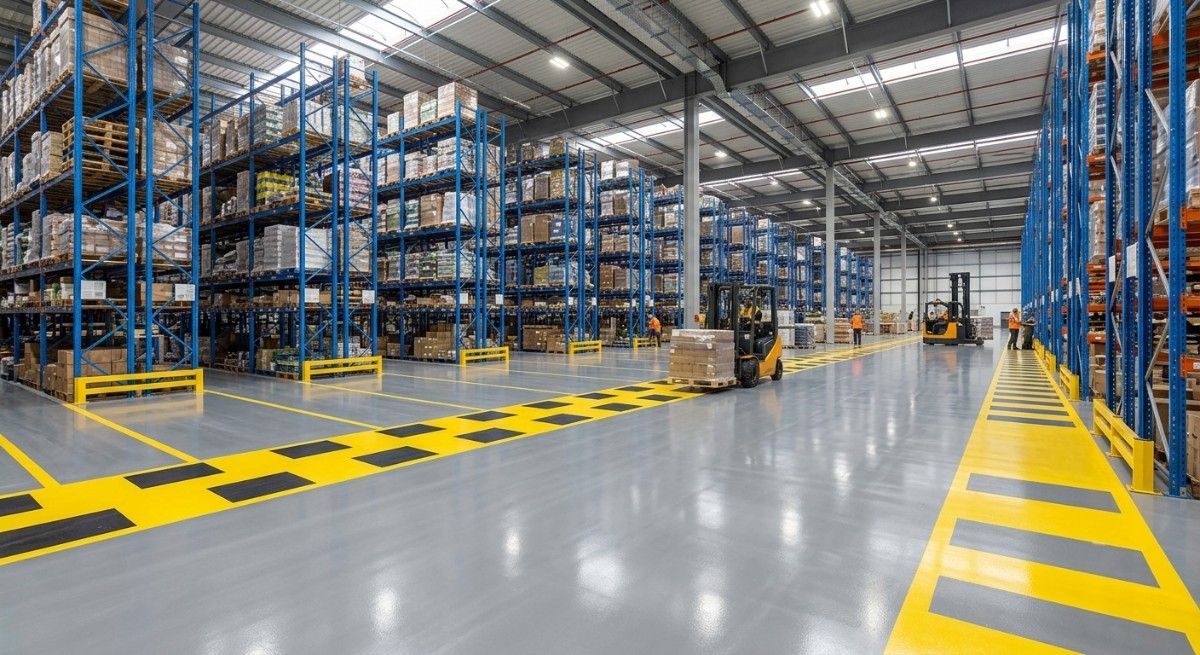
Industrial Facilities
Industrial environments require flooring systems capable of handling:
- Heavy equipment
- Forklift traffic
- Mechanical wear
- Operational demands
Factors to Consider When Choosing Cementitious Flooring Solutions
Project Requirements
Evaluate:
- Traffic levels
- Load requirements
- Surface finish expectations
- Environmental conditions
Thickness Requirements
Different products are designed for different application depths.
Choosing the correct system ensures optimal performance.
Drying Time
Fast-track projects often benefit from rapid-setting flooring systems that allow earlier floor covering installation.
Final Floor Finish
The flooring system should be compatible with the intended floor covering.
Examples include:
- Luxury vinyl tiles
- Hardwood flooring
- Ceramic tiles
- Carpet
- Epoxy coatings
Why Cementitious Flooring Continues to Grow in Popularity
The construction industry increasingly favors cementitious floor coating because it offers a combination of performance, efficiency, and cost-effectiveness.
Its ability to create smooth, durable, and aesthetically pleasing surfaces makes it suitable for a wide range of building types.
With advancements in formulation technology, today’s flooring solutions provide improved flow, strength, durability, and installation speed compared to traditional methods.
Cementitious Flooring and Floor Renovation Projects
Renovation projects often present challenges such as:
- Uneven substrates
- Surface damage
- Existing floor imperfections
Cementitious floor toppings and self levelling systems provide an effective way to restore and upgrade old concrete floors without extensive demolition.
This can significantly reduce project costs and downtime.
Conclusion
Cementitious flooring has become one of the most trusted flooring technologies for modern construction and renovation projects. Self levelling systems create perfectly smooth surfaces to cementitious floor topping solutions that restore and strengthen existing concrete, these systems offer exceptional versatility and performance.
For projects requiring high-performance cement flooring systems, Floorkrete offers advanced solutions such as LevelTop self-levelling underlayment and MicroTop cement flooring systems, engineered to provide superior surface quality, strength, and reliability across a wide range of applications.
Floorscreed PL– polymer modified ready to used 2-component flooring System
Floortop– single component dry powder cementitious flooring
Leveltop ecoflo– non-cement self-leveling flooring product
Leveltop levelfast– fast setting cementitious self-leveling flooring product
Leveltop gypflo– gypsum based self-leveling flooring product
Leveltop levelcrete– multipurpose cementitious self-leveling flooring product
Leveltop levellite– light weight cementitious self-leveling flooring product
Leveltop plus– multipurpose cementitious self-leveling flooring product
Leveltop polishit– self leveling polished concrete topping with a blend of special hydraulic cements
Leveltop superhard– cementitious self-leveling floor topping product
Leveltop thick-n-thin– cementitious self-leveling flooring product
Leveltop levelquick– polymer and Portland cement-based underlayment for resurfacing Concrete floors.
Microtop– high performance resurfacing mix for floor & wall
Frequently Asked Questions (FAQs)
1. What is cementitious flooring?
Cementitious flooring is a cement-based flooring system designed to create smooth, durable, and level surfaces for commercial, residential, and industrial applications.
2. What is self levelling cementitious flooring?
Self levelling cementitious flooring is a high-flow flooring material that automatically spreads and levels itself to create a flat, smooth surface with minimal manual intervention.
3. Where is cementitious floor topping used?
Cementitious floor topping is commonly used to repair, restore, and improve existing concrete floors in commercial, industrial, and institutional facilities.
4. How durable is cementitious flooring?
When properly installed, cementitious flooring offers excellent durability, abrasion resistance, and long-term performance under heavy foot traffic and operational loads.
5. Can cementitious flooring be used under vinyl and tile flooring?
Yes. Cementitious flooring is widely used as an underlayment beneath vinyl, tile, wood, laminate, carpet, and other floor finishes to ensure a smooth and stable substrate.